
As someone who lives with IBD, I find it challenging to eat whatever I want during flare-ups. Some trigger foods affect my symptoms and increase their severity. Therefore, I keep a food dairy to track and monitor my symptoms in response to what I eat daily. Some people have reported that the foods they eat do not affcet their symptoms. However, Many people with IBD, including me, noticed that trigger foods worsen their symptoms. I am interested in imrpoving my wellness and the quality of my life coping with ulcerative colitis. Therefore, I would like to share with you three trigger foods I avoid, living with IBD.
NOTE: this blog shares my personal experience living with IBD. I am not a medical professional, and this content is not intended as medical advice. Everyone’s experience with IBD is different. Please consult your doctor or healthcare provider before making any changes to your diet or treatment plan.
Foods containing Gluten:
Not all people with IBD need to avoid gluten. However, when I had my first flare-up, I used to struggle with severe abdominal pain and discomfort. At first, I was cluless, but after getting diagnosed, my doctor adviced me to avoid foods containing gluten such as breads, pasta, and cake as they are bulky when ingested and are hard to diegst causing abdominal pain, bloating and discomfort.

Gluten can be found in many other products such as processed meats, and sauces. Therefore, I make sure to read the ingredients label of each product I buy and replace gluten-containing food with gluten free alternatives. When I got in resmossion, I am not as stric as when I am in flare-up but I also ensured not to consume foods with gluten excessivly.
Sugar:
As the name suggests, Inflammatory Bowel Diseases cause inflammation in the gastrointestinal tract. Sugar is pro inflammatory- inflammation’s best friend.
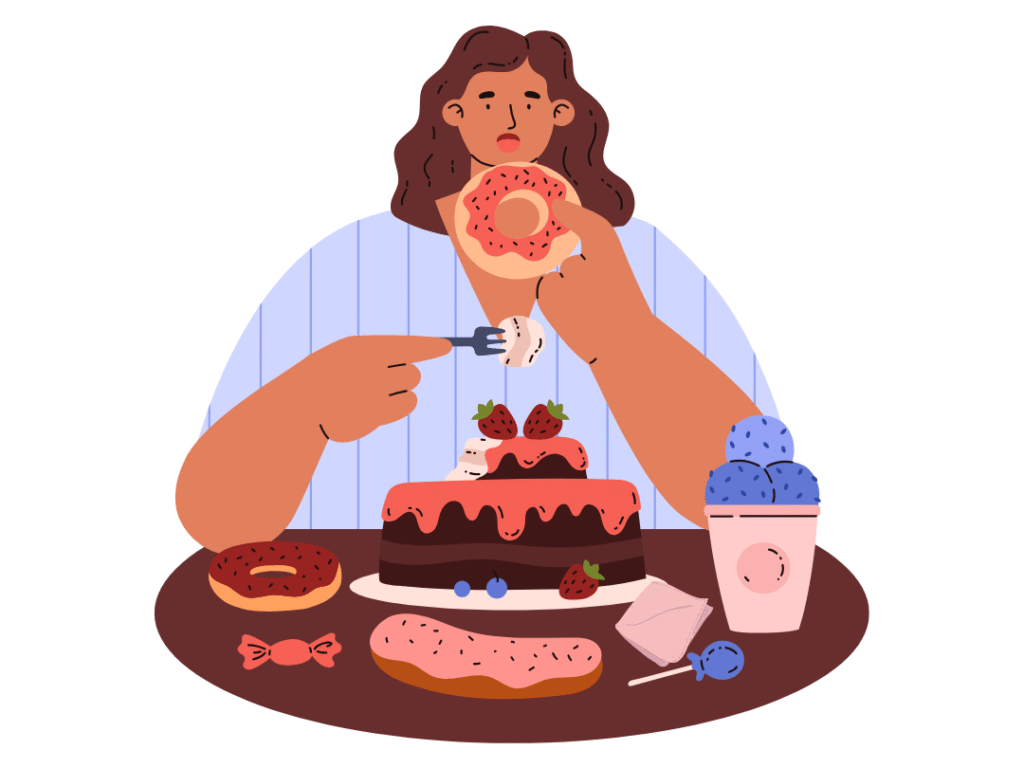
Sugary foods and drinks are delicious but they are generally unhealthy, espcially added and refined sugars. I tried my best to minimise sugar intake as much as possible. A great way that was helpful for me is to replace added sugars with sugar found naturally in foods such as fruits. I also use honey to make smoothies and tea instead of white sugar. Minimising sugar intake was really difficult for me at first especially with late night craving, but after a few weeks of consuming very little to no sugar, I stopped craving it.
Insoluble Fibre:
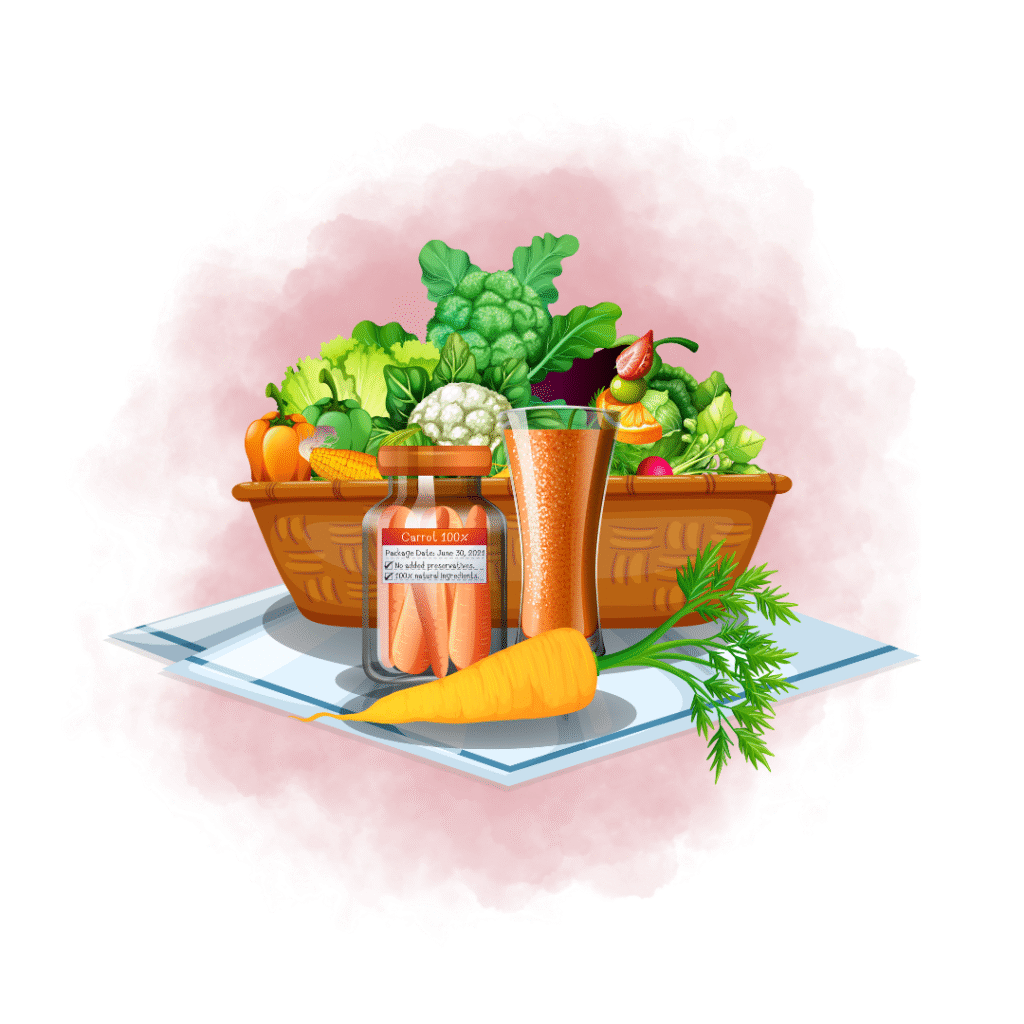
I guess we all know this one. As someone with severe ulcerative colitis UC, my symptoms are slightly better when I avoid foods high in fibre, especially insoluble fibre, during flare up times. Insoluble fibre is fibre that do not dissolve in water, meaning it moves along the gastrointestinal tract until it leaves the body as waste. Insoluble fibre includes fruits and vegetables with skin and tiny seeds, nuts, seeds, onion, garlic, mashroom and wholemeal carbs such as rice and pasta.
When I stopped eating mushroom and garlic and replaced white and red onion with green onion, I have noticed that my bowel movement has significantly improved and my symptoms have been notably relieved! To back this up Milton Keynes University Hospital NHS Foundation Trust states on the NHS website that insoluble fibre includes:
- Wholemeal or granary bread
- Wholemeal rice or pasta
- High fibre cereals e.g. Bran flakes and Shredded Wheat
- Sweetcorn, mushrooms, onions, broccoli, cabbage, cauliflower
- Skins of fruits and vegetables e.g. Jacket potato skins, peppers, tomatoes, cherries, grapes, dried fruits
- Nuts, seeds, and popcorn
Final Thoughts:
To wrap it up, diet is not proven to cause IBD, nor cure it completely. However, throughout my journey living with IBD, and via trial and errors, I noticed that some foods worsen my symptoms. keeping a food dairy helped me to identify and avoid these trigger foods. Foods containing gluten, sugars, and insoluble fibre are some of the trigger foods, that I noticed relieved symptoms when I avoid them during flare up times. Once I reached remission, I re-introduced these foods gradually within the healthy range to consume.
Leave a Reply