
Diet and IBD: A Controversial Debate:
Maybe one of the most controversial topics I have been reading about so far is the correlation between IBD and diet. Some studies say that there is no clear link between IBD and diet, while others claim that they managed to reverse the atypical immune response, subsequently the disease, relying on healthy diets. The question is, who to believe? I do not know honestly. But I do know that some foods might trigger IBD symptoms worsening them, while others reduce the severity of these symptoms.
This is my personal experience about IBD and diet , not a medical advice. Always consult your doctor before changing your diet
My Eight-Month Flare-Up and diet expermients:
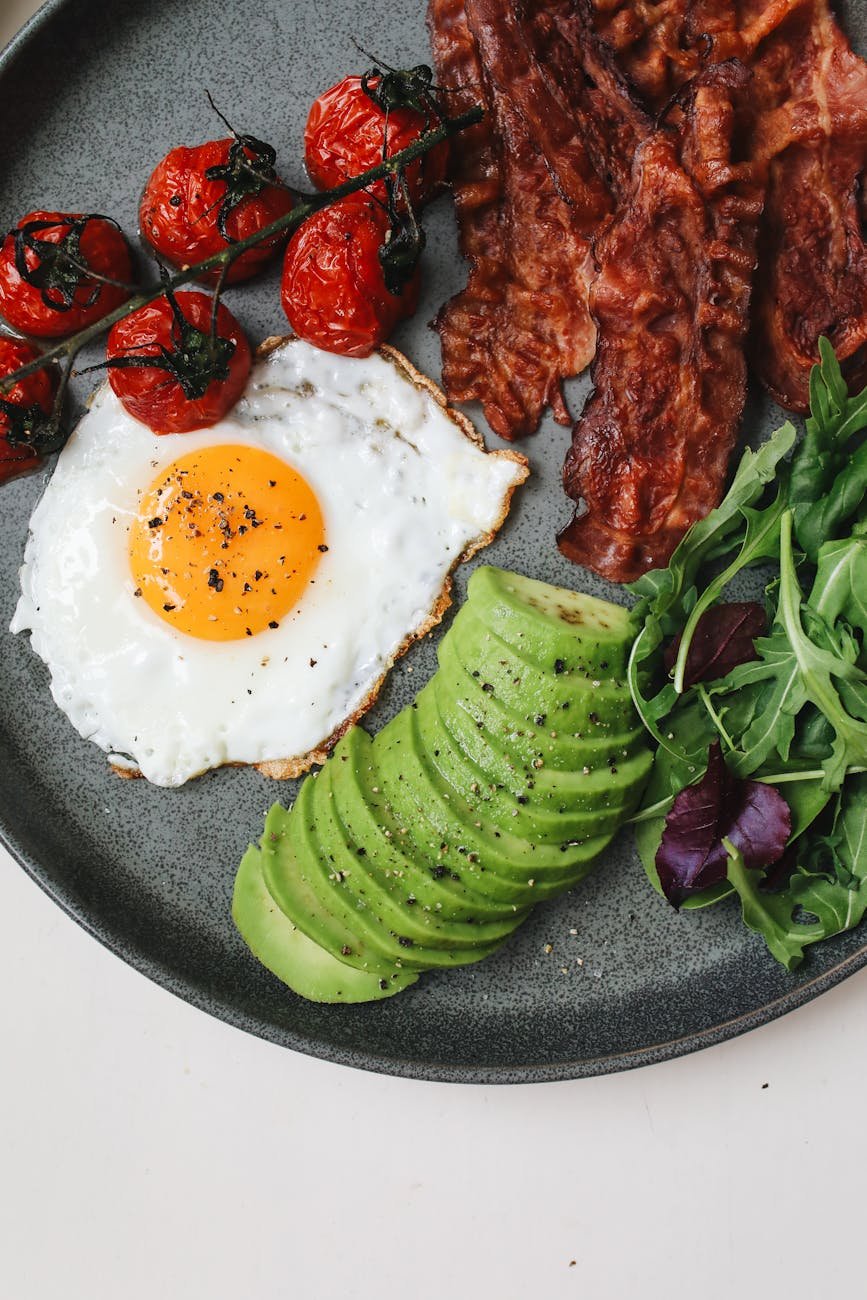
I had a stubborn flare up that lasted for around 8 months since I got diagnosed. During that time, I tried different types of diets, including the Paleo diet. The Paleo diet is one of the diets recommended for people with Ulcerative Colitis and Crohn’s according to Healthine. It includes meats, vegetable, fruits, a and excludes dairy products, wholegrains, legumes and sugars.
How did the Paleo diet affect my IBD symptoms? :
In my personal experience, the Paleo diet enabled me to KEEP Ulcerative Colitis symptoms under control because it eliminates the majority of the trigger foods such as dairy products, and gluten. However, it DID NOT improve the condition or make it go completely. Some studies suggest elimination diets may help reduce symptoms, but evidence for long-term remission is limited. The diet is kind of strict with limited options available, especially I had to stick to low fibre vegetables and fruits, and avoid red meats.
The Challenges of Following the Paleo Diet Long-Term:
It was helpful during flare up times but it is not ideal as a long term diet. Why? Well, cause it eliminates whole groups of nutrients. For example, one of the issues that I have encountered is calcium deficiency. The Paleo diet eliminates dairy products, which are a rich source of calcium. Since the body cannot store minerals, and vitamins, we have to consume foods rich in calcium daily. This is not the case when following the Paleo diet.
Final thoughts:
To wrap it up, In my experience, the Paleo diet can be a useful diet during flare-ups, but it isn’t a cure. It should be seen as part of a wider strategy for managing IBD, not a long-term solution on its own.
Leave a Reply